17.12.2025
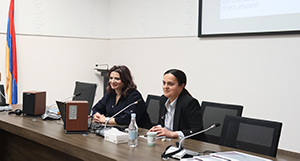
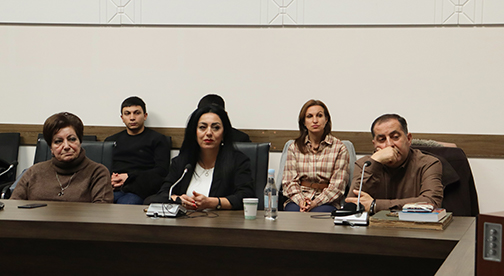
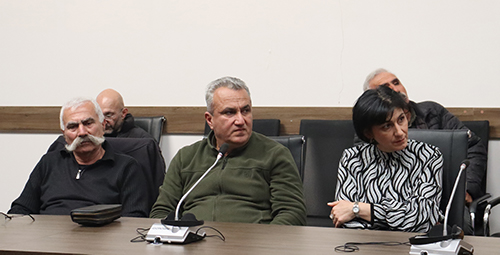
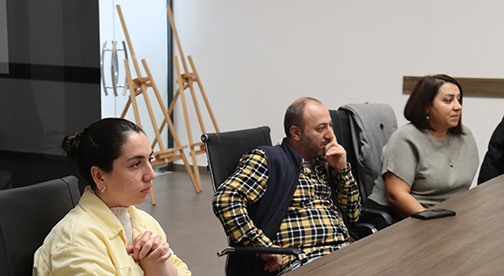
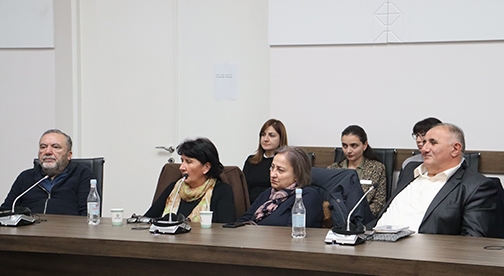
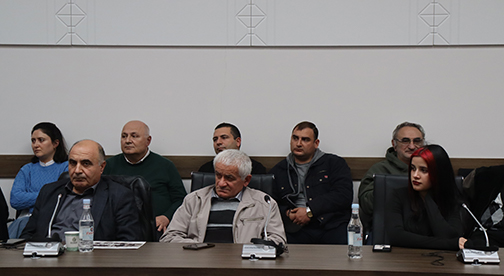
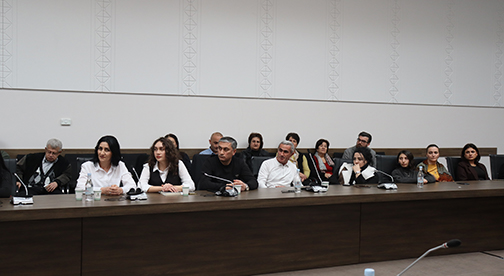
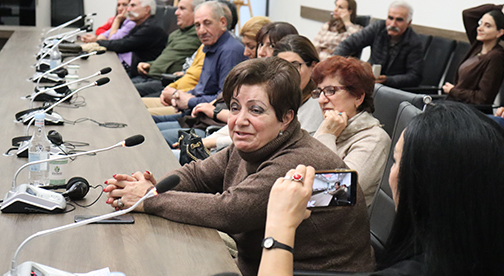
On December 13, an event titled "Echoes of Survival: Post-memory and Oral History Collection Among Descendants of Armenian Genocide Survivors" took place at the conference hall of the Armenian Genocide Museum-Institute (AGMI).
The event was dedicated to the collection of oral histories among descendants of Armenian Genocide survivors, post-memory, its cultural manifestations, and the study of layers of lived experience and identity preserved among descendants more than a century after the Armenian Genocide.
Welcoming the attendees, AGMI Director Edita Gzoyan emphasized that in the preservation and transmission of the memory of the Armenian Genocide, in addition to oral histories, it is equally important to preserve and study the customs carried and transmitted by the survivors of the Armenian Genocide.
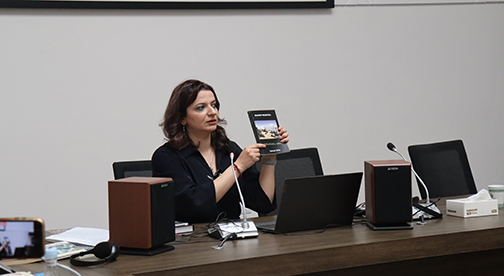
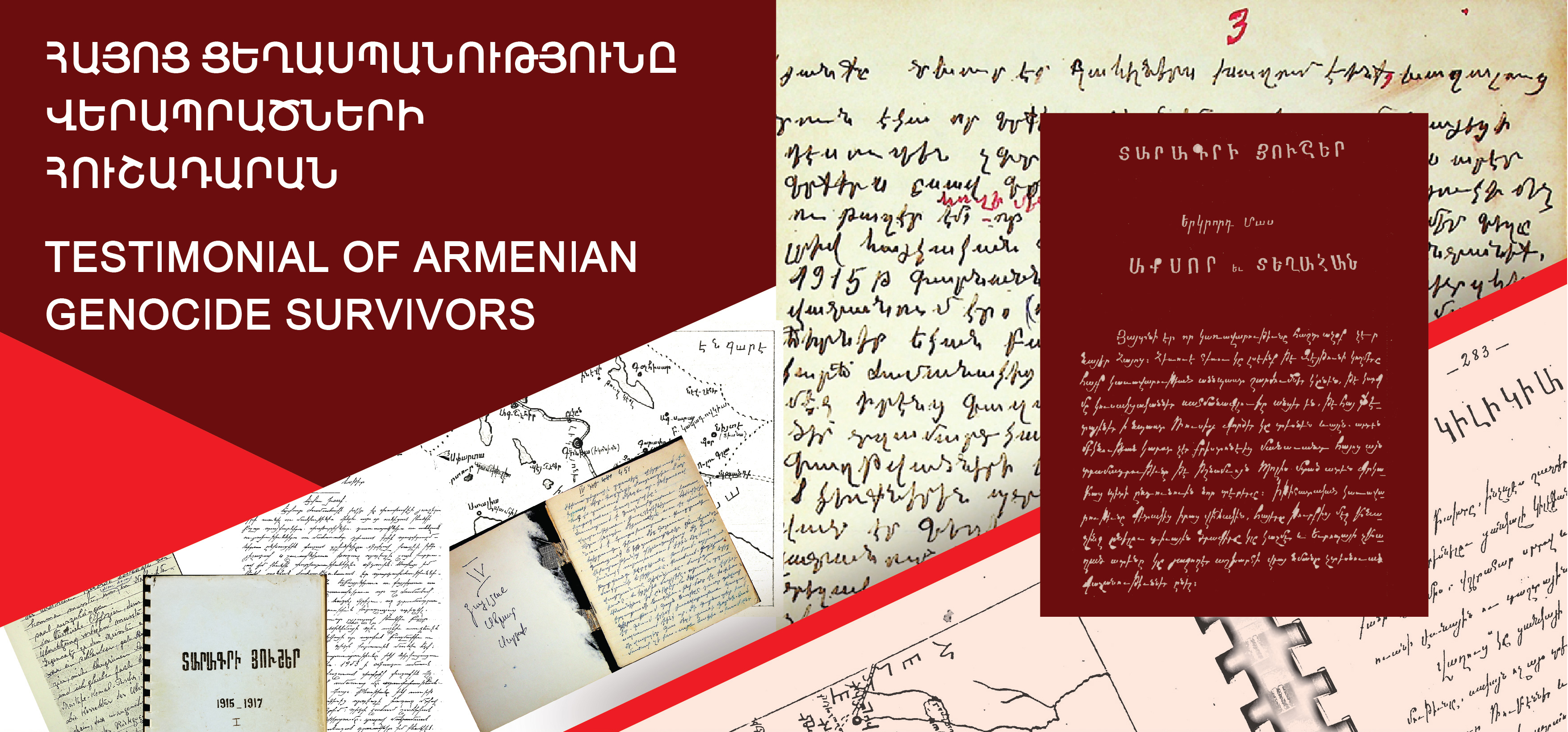
Shushan Khachatryan, Head of the AGMI Department of Documentation and Study of Armenian Genocide Victims and Survivors, presented the results of fieldwork conducted in recent months. She discussed the work carried out in the villages of Ashnak, Nerkin Bazmaberd, Katnaghbyur, Irind, and Nerkin Sasnashen in the Aragatsotn region, and the villages of Vanashen, Aralez, and Avshar in the Ararat region of Armenia. Excerpts from video recordings made with the descendants of Armenian Genocide survivors were presented, reflecting the stories told by their survivor ancestors, family histories, and experiences of survival.
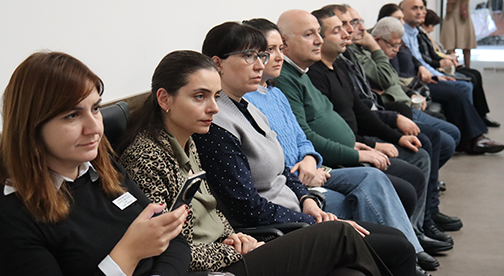
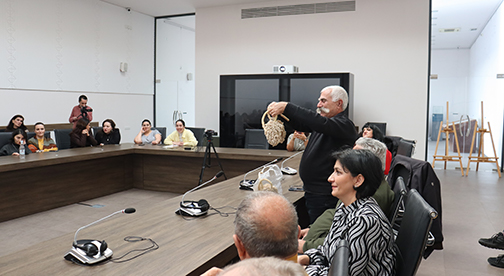
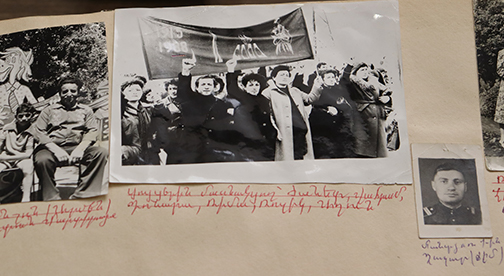
Residents of the mentioned villages and descendants of survivors from Sasun, Mush, Khnus, Van, and other places were present at the event. They presented their preserved traditions, national songs and dances, and photos from family archives, as well as glgil—a grain known in Sasun and symbolic to them—as a living manifestation of cultural memory.
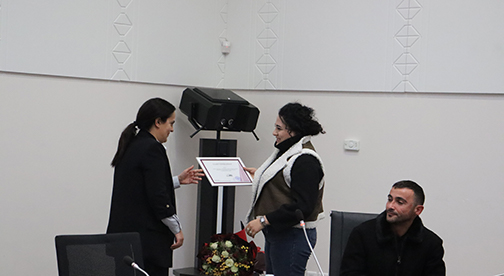
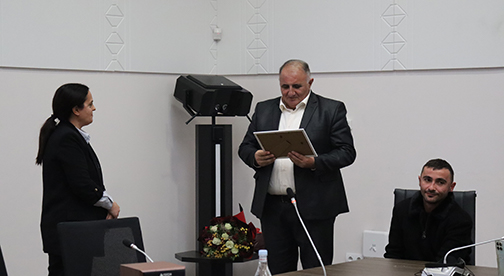
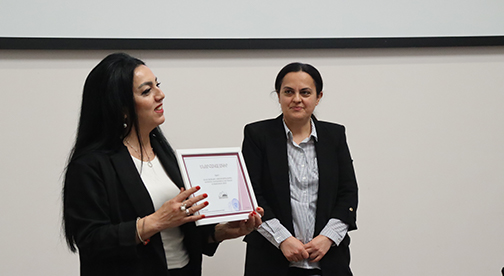
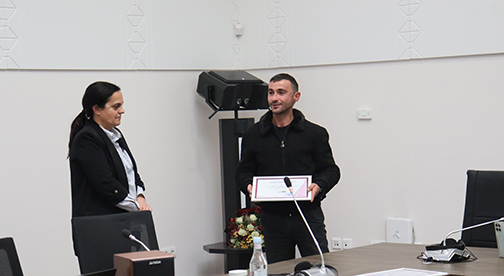
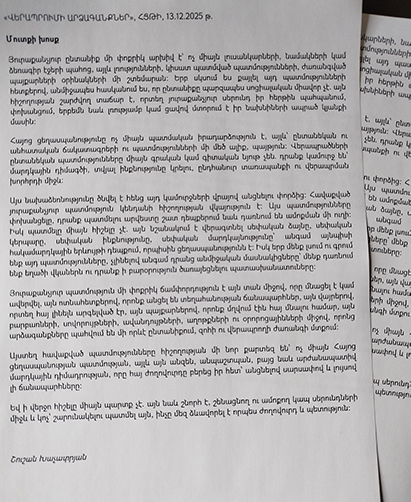
At the conclusion of the event, Edita Gzoyan awarded certificates of appreciation for keeping the memory of the Armenian Genocide alive and passing it on to future generations.
The event once again highlighted the pivotal role of post-memory in the study, preservation, and popularization of the legacy of the Armenian Genocide.