23.04.2026
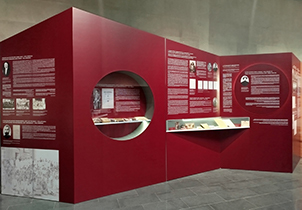
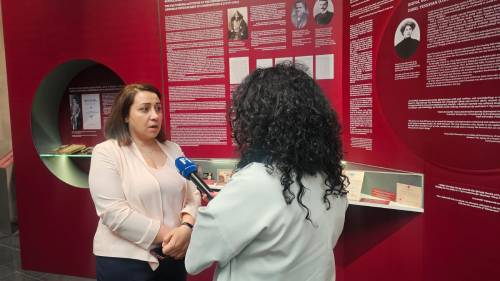
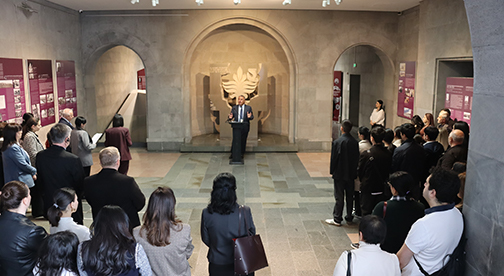
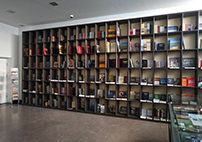
Today, on April 23, the opening of a temporary exhibition titled “DOCUMENTING THE CRIME: THE FIRST DOCUMENTS OF THE ARMENIAN GENOCIDE SURVIVORS,” dedicated to the 111th anniversary of the Armenian Genocide, took place in the temporary exhibition hall of the Armenian Genocide Museum-Institute.
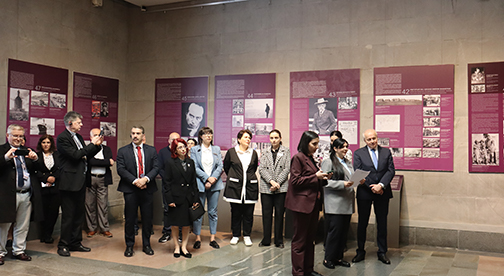
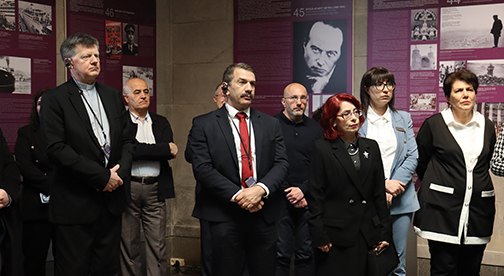
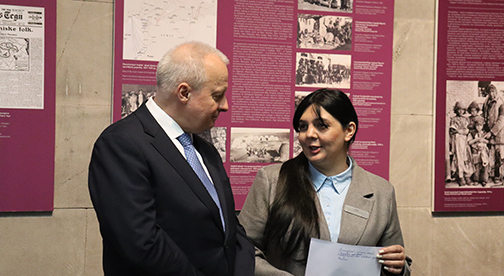
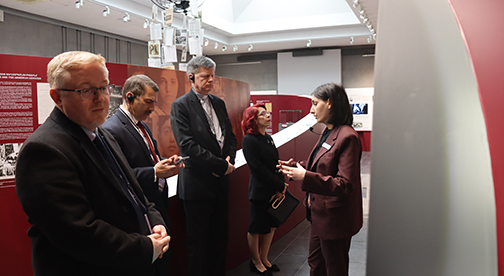
The opening was attended by Sergey Kopirkin, Ambassador Extraordinary and Plenipotentiary of Russia to Armenia; Nora Arisyan, Ambassador Extraordinary and Plenipotentiary of the Syrian Arab Republic to Armenia; Andrew Turner, Ambassador Extraordinary and Plenipotentiary of Canada to Armenia; Michael Mavros, Ambassador Extraordinary and Plenipotentiary of Cyprus to Armenia; Ante Jozić, Apostolic Nuncio of the Holy See, and others.
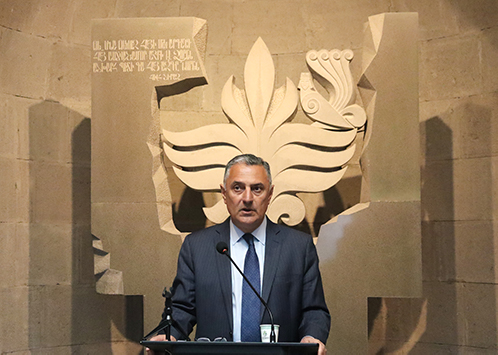
Hrachya Tashchyan, the acting director of the AGMI, welcomed the attendees and delivered the opening speech, presenting the importance and significance of the exhibition’s theme. In his speech, he noted: “This exhibition is dedicated to the Armenian chroniclers of the Armenian Genocide—intellectuals, clergy, military, political, and public figures—many of whom had gone through the path of exile and had been witnesses to what happened. We decided to present the invaluable work that was done a century ago to document information about the Armenian Genocide, to present it to the international community later, and to pass it on to future generations.”
In his speech, Hrachya Tashchyan expressed his gratitude to Seda Parsamyan, responsible for organizing the museum exhibitions at the AGMI; the Futuris Architect company for the architectural design of the exhibition; and the MRN company for the implementation of the idea.
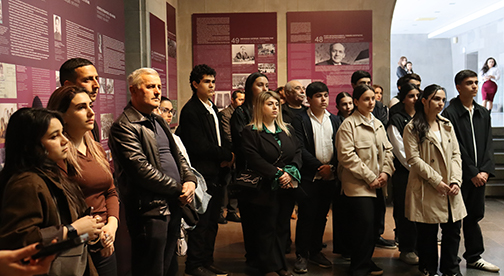
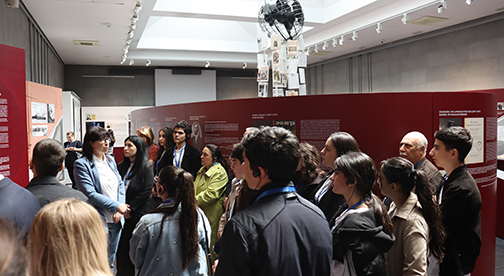
After the opening remarks, the attendees toured the exhibition halls and familiarized themselves with the new exhibition, which will be open until April 2027.
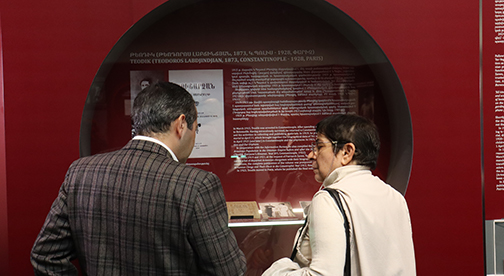
The exhibition presents the fact-finding work of Armenian individuals and Armenian religious and socio-political structures during the years of the Armenian Genocide (1915-1923), including the main documentation and archival centers. Most of those who carried out the fact-finding work were Armenians who had miraculously survived the genocide and who, setting aside the emotional aspects of personal tragedy and victimhood, undertook this important mission with great responsibility and awareness.
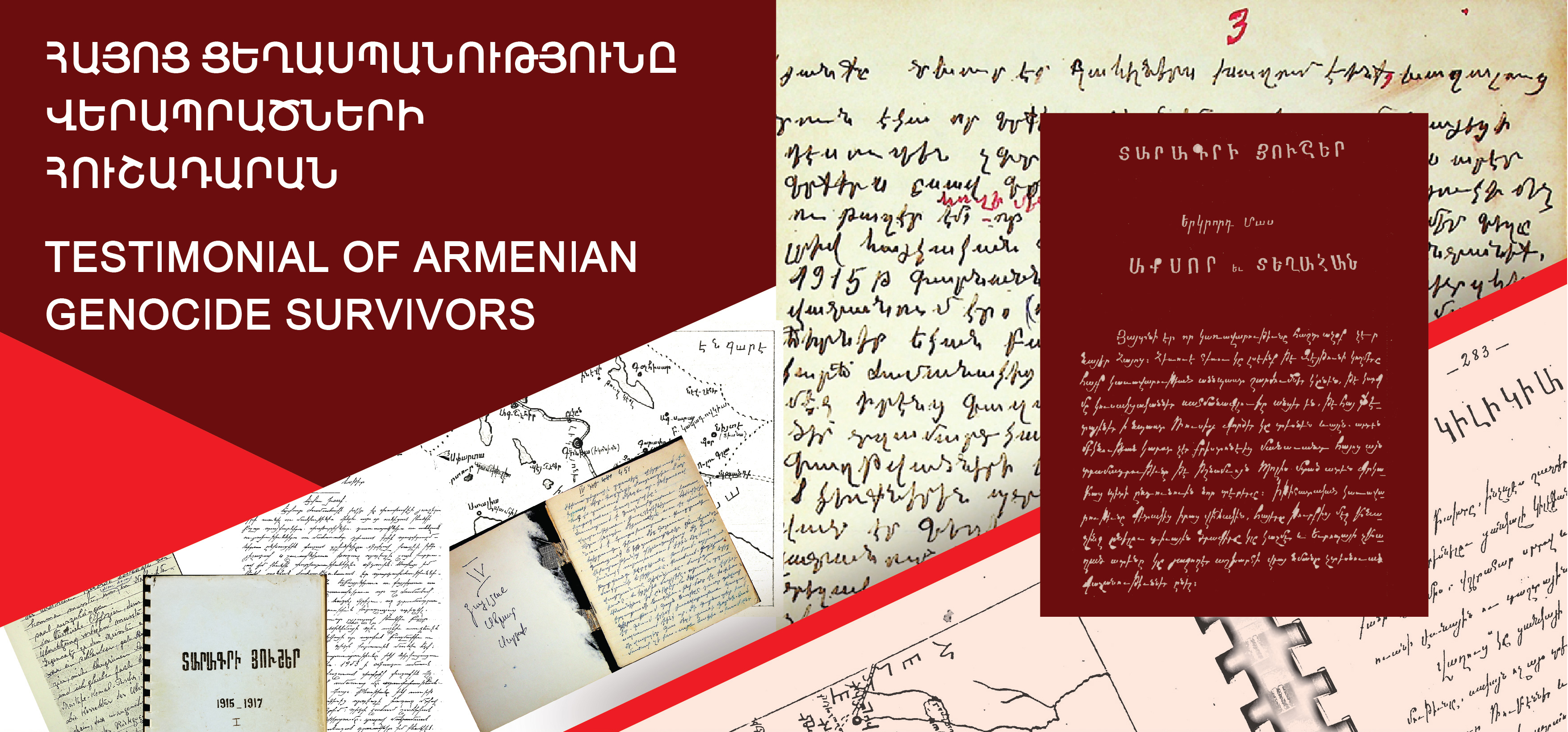
The testimonies and documents are important indicators of resisting the crime at a fatal moment for the Armenian people's collective existence and of preserving and transmitting their own history and memory. These documents, as primary and fundamental sources, were placed at the core of the subsequent study of the Armenian Genocide. The exhibition features early memoirs, diaries, photo-documentary materials, and other items related to the Armenian Genocide.